Exploring Online Tarot Games: History, Appeal, and Impact

Intro
The world of online tarot games is a unique fusion of mysticism and technology that has piqued the interest of many players. These games draw on the symbolism and traditions of tarot cards, offering not just entertainment but also a glimpse into psychological insights and community interaction. It is fascinating to see how these digital platforms have evolved over time, reflecting shifts in culture, technology, and human behavior.
In exploring this realm, it is crucial to consider the roots of tarot and how they have been translated into online gaming. The history of tarot itself is rich, steeped in lore and cultural significance that goes beyond mere card play. This history provides an essential backdrop for understanding the intrigue and appeal of online tarot games.
Moreover, as technology has advanced, so have the mechanics of these games. From simple interpretations of tarot spreads to complex gaming ecosystems with social networks and even competitive aspects, the evolution of online tarot games has opened new avenues for engagement. This piece aims to unpack these layers, looking not only at the games themselves but also at the ethical implications surrounding their use and the psychological effects they impose on players.
While some might simply play for fun or guidance, others engage deeply, looking for revelations or a sense of community. Thus, we must consider the cultural impact and the personal transformations that online tarot gaming can elicit. Join us as we delve into this captivating confluence of past beliefs and modern technologies—where every deal of the cards opens up a realm of possibilities.
Understanding Tarot and Its Origins
Exploring the universe of online tarot games begins with a careful look at tarot itself. Understanding Tarot and Its Origins is crucial for grasping why these card games captivate players globally. It’s more than just a game; it’s a fusion of art, mysticism, and psychology, each layer revealing deeper layers of meaning and insight. To navigate these digital realms effectively, one must appreciate the roots of tarot, its symbolic underpinnings, and how they translate into the online gaming environment.
The Historical Roots of Tarot
The history of tarot cards can be traced back to 15th century Europe, with the earliest decks appearing in northern Italy. Initially, they were designed for a card game called tarocchi, which was popular among the elite. However, by the late 18th century, tarot began evolving into a tool for divination, spurred by mystics like Antoine Court de Gébelin, who attributed profound spiritual significance to the cards.
Over time, this transformation marked the cards' transition from mere entertainment to instruments of insight and reflection. This historical context is vital because it informs how players today perceive the game. The origins of tarot reflect societal values, spiritual beliefs, and the quest for knowledge during different historical epochs. It invites players to think beyond cards and consider the philosophical narratives underpinning their use.
"Tarot is not just about predictions; it is a mirror of one's psyche, allowing contemplation of the self and the world."
Symbolism in Tarot Cards
At the heart of every tarot deck lies rich symbolism that gives depth to its gameplay. Each card brims with imagery, colors, and archetypes, all designed to invoke emotions and prompt introspection. The Major Arcana, for instance, encapsulates significant life themes, ranging from The Fool representing new beginnings to The World symbolizing completion and fulfillment.
In addition, the Minor Arcana details everyday experiences and actions, illustrating challenges and growth in various aspects of life. This makes tarot not merely a method to predict the future but a dynamic conversation with one’s inner workings. Players engaging with online tarot games often find themselves navigating these symbols, seeking personal meaning while also enjoying the interplay of chance and skill.
Visually interpreting these symbols enhances players' experiences, revealing subtler emotions and perceptions that would otherwise remain veiled. As such, understanding this intricate symbolism significantly enriches their gaming experience, allowing for more insightful readings and interactions.
The Rise of Online Tarot Games
The evolution of tarot games from their traditional roots to the digital age is a significant narrative within the larger context of gaming. This transition speaks volumes about how technology can reshape cultural practices and personal experiences. While tarot has been around since the 15th century, its online counterpart is a relatively new phenomenon. The shift to digital platforms has not only opened up tarot gaming to a wider audience but has also changed how players interact with the cards and each other. Understanding this rise can illuminate the benefits and considerations associated with online tarot games, while also revealing their impact on the players’ experiences.
The Transition from Traditional to Digital
The journey from physical tarot decks to online tarot games signifies more than just a change in medium; it reflects a profound transformation in how people engage with tarot. Traditional tarot reading relies heavily on face-to-face interactions and the tactile experience of handling cards, steeped in ritual and connection. However, as the world becomes more interconnected, the digital realm offers an alternative that aligns with modern lifestyles.
Players can now access a plethora of tarot games on various platforms, turning their mobile devices into portable tarot reading tools. This transition also makes it easier for individuals who may be hesitant to engage in in-person readings due to social anxiety or cultural stigmas. Online tarot games provide a sense of anonymity and enable players to explore their curiosities freely and without judgment.
However, there are challenges in this transition as well. The lack of physical interaction can strip away some of the emotional nuances that come with traditional readings. Many tarot enthusiasts argue that the tactile connection with the cards plays an important role in the reading process. Yet, with innovations like live-streaming readings and AR technologies, it seems that developers are addressing these concerns, striving to retain the essence of tarot even in the digital landscape.
In essence, the move towards online tarot gaming represents both an adaptation to contemporary life and a challenge to maintain the depth of the traditional practice.
Key Platforms Offering Tarot Games
As the interest in online tarot games surges, numerous platforms have emerged to cater to this niche yet growing audience. Various websites and apps provide a range of tarot experiences, from casual games to more structured readings. Notable among these platforms are:
- Mystic Mondays: This app offers a user-friendly interface along with a diverse range of tarot spreads and guides. The cards come alive with modern artwork, making them appealing to a younger demographic.
- Labyrinthos: A unique platform that combines tarot education with interactive gameplay. Users can learn the meanings behind various cards while enjoying game mechanics that deepen their understanding.
- Tarot by the Moon: This website provides personalized readings and games set against the backdrop of lunar cycles, combining astrology with tarot.
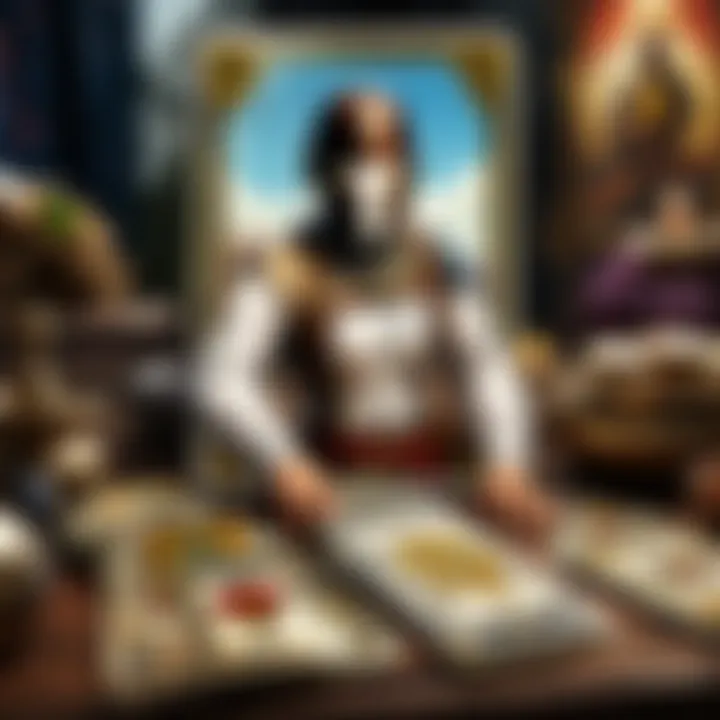
The emergence of these platforms emphasizes how technology can foster community. Many features, like forums and chat rooms, allow players to connect, share insights, and learn from one another.
Each of these platforms has its strengths and weaknesses, catering to different types of players. Whether one is a seasoned tarot reader or a newcomer curious about the cards, the rise of online tarot gaming offers a fascinating blend of tradition and innovation, revealing the power of technology in reshaping ancient arts and crafts.
Game Mechanics and Structure
Understanding the game mechanics and structure of online tarot games is essential for grasping their appeal and functionality. These elements create a framework that not only dictates how players engage with the game but also shapes their overall experience. By dissecting the intricacies of gameplay, we can uncover the attractions that draw players into this unique world, offering them more than just a pastime.
Basic Rules and Gameplay
At the heart of any tarot game are its foundational rules. These regulations govern everything from how cards are drawn to what actions players can take during their turn. Many online tarot games, such as the Tarot de Marseille, stick closely to traditional rules, while others might add twists to keep things fresh.
Typically, gameplay begins with each player receiving a hand of cards. The objective generally revolves around interpreting these cards—be it for fortune-telling or playing a trick-taking game. For example, in a classic setup like Tarocchi, players must strategically play cards of different suits to outmaneuver their opponents.
Specific elements often include:
- Card Values: Each card carries its own significance, affecting how playable they are in certain scenarios.
- Winning Conditions: Different games establish unique criteria for victory, which could range from collecting points to being the last player standing.
- Turn Mechanics: Players may take turns in a clockwise fashion or engage in simultaneous actions depending on the game type.
By ensuring that the rules are straightforward, developers maximize accessibility for newer players while keeping seasoned gamers challenged. Overall, these rules promote not only competition but also a shared understanding among players, building a sense of community.
Variations of Tarot Games
The realm of tarot games is as diverse as the deck of cards itself, encompassing a variety of playing styles and objectives. This diversity allows players of all skill levels and interests to find a game that resonates with them.
Some of the notable variations include:
- Fortune-Telling: This approach focuses on personal and spiritual insights, using spreads and interpretations for guidance in life’s journey. Apps like Golden Tarot have become popular for casual users seeking daily insights.
- Competitive Play: Games like Tarot Belote engage players in head-to-head matchups, emphasizing strategic thinking and partnership dynamics. Players often find competitive play atmosphere fills them with excitement and a sense of camaraderie.
- Solo Games: For those who enjoy introspection, solo games such as the Single Tarot Draw allow players to connect with the deck in a personal way. This interaction can be both engaging and therapeutic, fostering introspection and reflection.
These variations not only cater to differing preferences but also serve to further enrich the tarot gaming landscape. Players can navigate through them, finding styles that suit their moods, whether they’re looking for community interaction or a solitary escape.
In summary, the combination of structured gameplay and diverse variants is where the intrigue lies in online tarot games. Engagement is key, and the mechanics create a pathway for that engagement, allowing players to explore both the ancient art of tarot and the innovative interactions afforded by technology.
"The rules shape the experience, providing a canvas for creativity and connection within the tarot gaming universe." - Unknown
For deeper insights into the mechanics and structure of various tarot games, you may want to visit Wikipedia on Tarot or explore different gaming platforms like Reddit where communities share their gaming experiences.
Psychology of Playing Tarot Games
The psychology behind playing tarot games reveals a compelling dimension that intertwines human emotion, cognition, and behavior. Unlike many traditional games that may rely heavily on strategy and skill, tarot games tap into deeper psychological layers. Players often seek not just entertainment, but also a way to explore their feelings and gain insights into their lives.
In this context, understanding how individuals engage with tarot games becomes significant. The therapeutic aspects of tarot can help players process emotions, deal with uncertainty, and even build their intuition when it comes to decision-making. This psychological engagement is not just an incidental aspect but rather a core reason why many turn to tarot amidst the complexities of life.
Emotional Engagement and Therapeutic Aspects
Engagement in tarot games can elicit strong emotional responses. Players often find themselves immersed in the narratives woven by the cards they draw, allowing them to reflect on personal situations or unresolved feelings.
- Self-Reflection: Many players report that the imagery and symbols on tarot cards help spark self-reflection. For example, a drawn The Hanged Man can prompt thoughts about surrendering control in certain life aspects. This introspection can be enlightening.
- Validation of Feelings: Engaging with tarot games can provide a comforting form of validation. When looking at specific cards, individuals may feel understood in their situations, easing feelings of isolation.
- Coping Mechanism: Tarot can also serve as a healthy coping mechanism. For those who might struggle with anxiety or decision-making, tarot games can offer insights that feel personal, reducing feelings of uncertainty.
The therapeutic potential of tarot games often facilitates a deeper connection to one’s emotions, allowing players to confront their inner challenges positively.
The Role of Chance and Skill
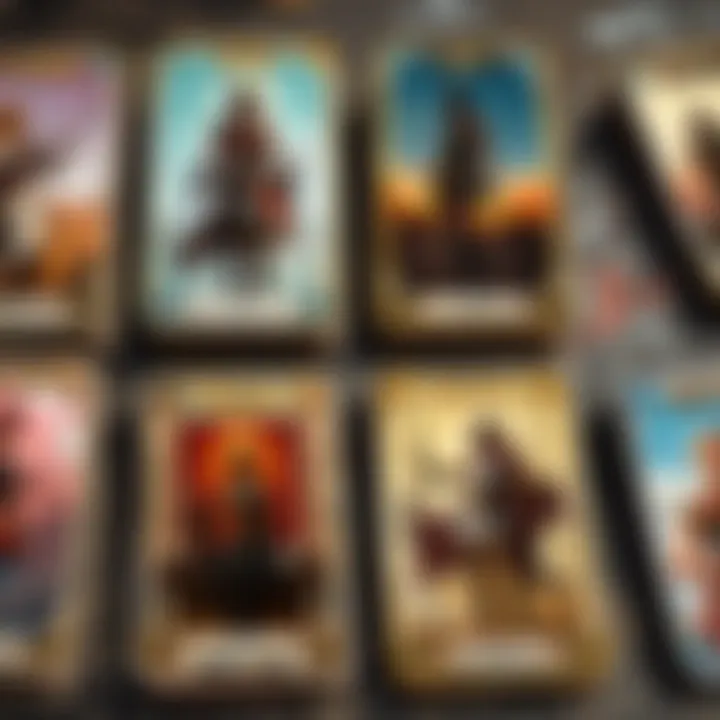
In tarot games, chance and skill intertwine in interesting ways. Unlike typical board games where strategy might reign supreme, tarot incorporates a unique blend of randomness with intuitive skill.
- Chance Influences: The randomness of card draws represents the element of chance, which means players cannot predict outcomes entirely. This unpredictability can align closely with life itself, offering abstract lessons on accepting the unknown.
- Skill Development: On the flip side, the interpretation of cards demands a level of skill. Every player interprets the symbolism differently based on personal knowledge or experience with tarot. As one gains more experience, their intuitive skills sharpen, leading to more profound insights.
- Umbrella of Luck: Even seasoned players acknowledge that luck is a significant factor. The interplay of chance keeps the experience fresh, as it challenges players each time they engage with tarot games.
Cultural Impact of Online Tarot Gaming
The resonance of online tarot gaming within cultural frameworks cannot be understated. As a medium that stands at the conjunction of digital play and mystical tradition, these games have redefined how tarot is perceived and practiced in contemporary society. The widespread accessibility of tarot through online platforms has sparked not only individual engagement but has also encouraged community formation and cultural exchange.
Tarot in Popular Culture
Tarot has long danced on the edges of popular culture, but its recent integration into online gaming has taken this relationship to new heights. This integration embodies a pivotal shift, allowing tarot not just to exist as a tool for divination but as a form of entertainment that speaks to the human experience. One might say it has breathed fresh life into this ancient practice, making it relevant in today’s fast-paced digital landscape.
In movies and literature, themes of destiny, fate, and introspection involving tarot cards can be commonly found, showcasing how these symbols have permeated mainstream media. The likes of shows such as The Chilling Adventures of Sabrina and films like The Craft have artfully intertwined tarot elements into their narratives. Such portrayals demystify tarot for a broader audience, transforming it from an esoteric practice into accessible storytelling.
Moreover, trendy social media platforms, especially Instagram and TikTok, have propelled tarot readings into the limelight. Users share experiences and interpretations, creating a vibrant community of tarot enthusiasts who blend gaming with ancient wisdom. With hashtags such as #TarotTok, aspiring card readers showcase their insights, attracting followers and igniting conversations about the depths of interpretation. This movement mirrors a larger trend in which personal empowerment and self-discovery have taken center stage, as people lean on tarot for guidance amid uncertainty.
Community and Social Dynamics
The community surrounding online tarot gaming echoes the sentiment of clans and circles seen in traditional gaming cultures. Here, individuals converge not only to play but to share insights, experiences, and philosophies. In these spaces, players often engage in discussions that go beyond just gameplay, diving deep into one's personal narrative and collective psyche. Online forums and platforms like Reddit have thrived with discussions on tarot interpretations, leading to a burgeoning landscape of shared wisdom.
The social fabrics of these tarot communities can lead to meaningful connections and friendships. As players share stories and experiences related to their tarot sessions, it fosters a sense of belonging among participants. Through player vlogs and live streams, for instance, individuals can see varied interpretations of the same spreads, helping them appreciate the nuances of tarot beyond surface-level insights. The interaction promotes an inclusive atmosphere, welcoming diverse perspectives that embark on the same mystical quest.
"By grounding the experience within shared narratives, tarot gaming fosters both individual introspection and communal bonding. It transforms understanding not just of oneself, but of the social dynamics at play in everyday life."
This collective landscape also facilitates a platform for support and discussion. Players can voice their concerns and journeys, whether they’re dealing with personal decisions or broader issues like mental health. The community aspect acts as both a safety net and a sounding board. The digital space where tarot games inhabit reflects an evolving narrative that respects the sanctity of tarot while infusing it with contemporary relevance.
As players navigate through this intricate tapestry, the fusion of technology and tarot effectively diminishes the barriers once associated with tarot reading, reinforcing the idea that wisdom surpasses time and technology.
Ethical Considerations and Misconceptions
Understanding the ethics surrounding online tarot games is pivotal. For many, tarot serves as a tool for introspection and guidance rather than a means to predict the future. As these games make their way into the online sphere, several ethical dilemmas and misconceptions have emerged, making it crucial to delve deeper into this domain.
Ethics of Tarot Gaming
The ethical standing of tarot gaming can ignite lively debates. Traditionalists may argue that tarot is sacred, while others see its value in engaging gamers on a digital platform. In terms of ethical gameplay, the very foundation lies in honesty and transparency. Players should be mindful of their intentions when engaging with these games. Are they looking for serious readings, or just for a bit of fun? Misleading portrayals can lead to disillusionment, especially for newcomers seeking genuine connection through tarot.
Moreover, online platforms often lack regulation, paving the way for misleading practices. For instance, some sites may lean toward sensationalism, painting tarot as a magic solution rather than a tool that could lead to personal understanding. Responsible platforms strive to keep their messages grounded, ensuring players know tarot isn't a foolproof way to navigate life's challenges.
Addressing these ethical implications opens the door for more responsible and enriching tarot experiences in the gaming world. Here, this means fostering community guidelines that promote respect, honesty, and genuine connection among players. Ultimately, the ethical considerations guide not only how these games are played but also how they are perceived in a larger cultural context.
Debunking Myths Surrounding Tarot
When discussing tarot, certain stereotypes pop up, often fueled by misconception. It's easy to paint tarot with a broad brush, lumping it together with all things superstitious. However, separating myth from reality can enable a more nuanced understanding of tarot games. Here are a few common myths:
- Tarot predicts the future: This notion is pervasive; however, seasoned tarot users often describe the cards as guides that reflect the present situation, offering insight to the player.
- Only the 'gifted' can read tarot: This belief creates barriers, suggesting that understanding tarot requires special talent. But in truth, anyone can learn to read the cards with practice and patience.
- Tarot is inherently negative or dangerous: Cultural portrayals often paint tarot as dark or foreboding. Yet, many players experience it as a resource for positivity, empowerment, and personal growth.
Technological Advancements in Tarot Games
In the shifting sands of digital entertainment, tarot gaming has not been left out. With the meteoric rise of technology and online frameworks, this ancient practice has found a modern twist. The intersection of tarot and technology not only enhances gameplay but also redefines how players interact with the mystical and esoteric.
Online Interactivity and User Experience
The essence of online tarot games lies in their interactivity. Unlike traditional tarot readings, which often depend on a physical deck and an in-person reader, digital platforms elevate this experience. Players now engage in an environment that is not just reactive but proactive.
Imagine logging into a platform where each tarot card flip is accompanied by mood-appropriate animations and soundscapes that echo the card’s significance. This heightened interaction not only captivates attention but also deepens the connection players feel towards their readings.
Moreover, many online tarot experiences offer personalized user interfaces that adapt to individual interests, ensuring that each session feels tailored. Here are some aspects boosting user experience:
- Real-time Feedback: Players receive instant responses to their actions, which draws them further into the narrative of their reading.
- Customization Options: Many platforms allow users to select themes, card decks, and even interpretation styles, making the experience uniquely theirs.
- Community Interaction: Features like chat rooms or forums enable discussion among users, fostering a sense of community and shared interest.
To underscore the importance of these advancements:
The integration of technology into tarot games transforms a solitary experience into a social phenomenon, where users can share insights and engage collectively.
Mobile Applications and Accessibility
With mobile applications, tarot gaming has become more accessible than ever. Players can now carry their tarot readings in their pockets, making spontaneous pulls a breeze. Gone are the days of needing a physical deck to engage with the cards. The proliferation of smartphone applications has democratized access to tarot, catering to seasoned practitioners and curious newcomers alike.
The benefits of mobile apps in tarot gaming include:
- On-the-go Availability: Players can engage in tarot readings whenever inspiration strikes, whether at a café or on a commute.
- Interactive Tutorials: Many apps provide intuitive guides for beginners, enhancing understanding and enjoyment of the game.
- Daily Insights: Various applications send daily card pulls or personalized predictions, keeping users engaged and connected to their tarot journey.
These advancements indicate a cultural shift toward embracing technology in spirituality and mysticism. As more players flock to their devices for tarot gaming, the boundaries between the virtual and the tactile blur, shaping a new reality for enthusiasts of all kinds.
The Future of Online Tarot Games
Exploring the future of online tarot games involves a keen look into various upcoming trends and potential innovations that may redefine how players experience this ancient practice in a digital arena. As technology evolves, so will the dynamics of how tarot is approached online. Understanding these trends is crucial for enthusiasts and newcomers alike, as they signal shifts not only in gameplay but also in the community's engagement with tarot as a whole.
Predictions and Trends
The landscape of online tarot gaming is poised for transformation, with a few notable trends emerging:
- Enhanced Interactivity: Games are likely to incorporate more interactive elements, allowing players to engage not just with the cards but with the virtual environment. This could mean interactive storytelling or gamified learning experiences that teach users about tarot meanings and spreads in a more immersive way.
- AI Integration: Artificial intelligence could play a significant role. Imagine an AI tarot reader that learns from your gameplay, suggesting readings based on prior experiences and preferences. This smart adaptation might provide a customized tarot experience, tailoring insights uniquely for each player.
- Community Engagement: There may be a surge in communal gaming experiences where players can gather in virtual spaces. Think of themed tarot tournaments or collaborative readings where participants share insights in real-time. This can deepen connections and make tarot more of a collective experience rather than an individual one.
- Mobile Optimization: As mobile gaming continues to dominate the market, developers will likely focus on refining mobile apps for tarot. User-friendly interfaces, quick loads, and engaging visuals are all areas of focus that will enhance accessibility, allowing players to enjoy tarot gaming anytime, anywhere.
"The shift towards community-oriented online gaming isn't just a trend—it's a transformation that fosters deeper connections among participants."
Integrating Virtual Reality and Tarot
Virtual reality (VR) presents an exciting frontier for tarot gaming. By immersing players in a three-dimensional space, the tarot experience could be drastically altered. Picture this:
- Immersive Environments: Players can step into a virtual tarot café or a mystical forest, where each card drawn feels like a journey through an enchanted realm. The visual and auditory enhancements could provoke feelings that a flat screen simply cannot replicate.
- Hands-On Experience: With VR, players might physically interact with cards, pulling them from a deck or shuffling them as if they were real. This tactile engagement could enrich the significance of each card and enhance the overall symbolism of the reading.
- Live Interactions: Imagine attending a live VR tarot reading event with friends or community members spread across the globe. Real-time interactions could deepen the social experience of tarot readings, marrying traditional socialization with advanced technology.
- Educational Expansion: For those interested in learning tarot, VR tutorials could guide players through complex spreads and interpretations in an engaging way, promoting a richer understanding of tarot without the intimidation of conventional learning methods.
These emerging technologies show how the future of online tarot games lays a pathway for experiences that resonate with both the seasoned tarot readers and newcomers eager to explore this mystical domain. As trends develop, it will be essential for players, developers, and the broader tarot community to remain adaptable and open to the possibilities that lie ahead.
Finale
In summation, the exploration of online tarot games highlights a myriad of compelling elements that interlace history, culture, and human psychology. The significance of this topic is not merely confined to entertainment; it penetrates deeper layers of our social fabric and personal experiences. Understanding tarot's evolution into the digital realm reveals how historical traditions can transform, adapting to modern sensibilities while retaining their core essence.
Reflecting on the Journey Through Tarot
Reflecting on our journey through tarot—whether played in a small circle of friends or online with a global audience—invites us to consider both the past and future of this ancient practice. The allure of tarot lies not just in divination, but in its ability to foster connection, provide insight, and even entertain. It acts as a mirror into our lives, showing our subconscious thoughts and feelings.
Benefits of Engaging with Online Tarot Games:
- Accessibility: Players can enjoy tarot from anywhere, breaking geographical barriers.
- Community Building: Online platforms allow enthusiasts to connect, share insights, and grow together.
- Diverse Perspectives: Different interpretations of cards can lead to unique insights and discussions, enriching personal and communal understanding.
Online tarot games engage players' emotional and cognitive faculties, making the experience immersive and thought-provoking.
As the boundaries of gaming continue to expand, the integration of technology in tarot games could lead us to fascinating possibilities. Virtual reality experiences might bring players into a more immersive tarot reading environment, allowing them to interact with the cards in a three-dimensional space. The journey of tarot from its historical roots to online spaces serves as a testament to humanity's quest for knowledge and connection—an endeavor that remains ever relevant.